Cold Brew Coffee Vs. Regular Coffee
-
Days Remaining
485 -
Your Entries
0
Cold Brew Coffee Vs. Regular Coffee: A Comprehensive Exploration
Among these, two popular methods stand out: cold brew coffee and regular coffee. While both are made from coffee beans, the way they are prepared and their resulting flavor profiles differ greatly. In this comprehensive guide, we’ll dive deep into the differences between cold brew coffee and regular coffee, exploring everything from the brewing process to flavor, caffeine content, and health benefits.

What Is Regular Coffee?
Before we get into the details of cold brew coffee, let’s first establish what we mean by regular coffee. In most cases, when people refer to regular coffee, they are talking about coffee brewed using methods such as drip brewing, pour-over, French press, or espresso. These methods typically use hot water to extract flavors from the ground coffee beans, and the brewing time can vary from a few minutes (for drip coffee) to several hours (for cold brew).
Cold brew coffee and regular coffee differ significantly in terms of caffeine content, primarily due to the brewing methods, extraction times, and coffee-to-water ratios involved.
Cold brew coffee is brewed by steeping coarsely ground coffee beans in cold or room-temperature water for an extended period, typically 12 to 24 hours. The longer brewing time allows for a higher extraction of caffeine, resulting in a brew with a stronger caffeine concentration. Since cold brew uses a higher coffee-to-water ratio, the resulting concentrate often contains more caffeine per ounce than regular coffee. When diluted with water or milk, the final caffeine content per serving is still higher than that of a standard brewed cup. Caffeine calculators estimate that cold brew typically contains about 100-200 mg of caffeine per 8 oz serving, depending on the concentrate’s strength and how much it’s diluted.
On the other hand, regular coffee is typically brewed with hot water, where the extraction occurs much more quickly, usually within 5 minutes. The caffeine content in regular brewed coffee varies depending on the method used (drip, pour-over, French press), but on average, it contains around 95 mg of caffeine per 8 oz cup. The higher temperature of regular coffee accelerates extraction but can result in a slightly lower caffeine concentration compared to cold brew, especially if brewed with less coffee per ounce of water.
While cold brew typically delivers more caffeine per ounce, regular coffee is often consumed in larger quantities, which can bring the caffeine intake closer to that of cold brew. By using a caffeine calculator, individuals can better manage their caffeine consumption based on brewing preferences.
The Brewing Process of Regular Coffee
Regular coffee, or hot brewed coffee, involves extracting the coffee’s soluble compounds using hot water.
Grinding: Fresh coffee beans are ground to the appropriate size for the brewing method.
Brewing: Ground coffee is placed in a filter or brewing chamber, and hot water (typically between 195°F and 205°F) is poured over it. The water extracts flavors, oils, and compounds from the coffee grounds, resulting in the familiar coffee taste.
Serving: The brewed coffee is served immediately, with the typical serving temperature ranging from 140°F to 160°F.
Hot brewing methods, whether using a drip coffee maker, pour-over, or French press, result in a rich, aromatic cup of coffee that is full of body and flavor. The high temperature ensures that the coffee’s oils and aromatic compounds are extracted efficiently, which contributes to the intensity and richness of the drink.
What Is Cold Brew Coffee?
Cold brew coffee, on the other hand, is a completely different preparation method. Despite the name, cold brew coffee is not the same as iced coffee.
The Brewing Process of Cold Brew Coffee
Here’s how the process works:
Grinding: Coffee beans are ground to a coarse consistency, similar to the grind used for a French press. This allows for slower extraction and prevents over-extraction, which can lead to bitterness.
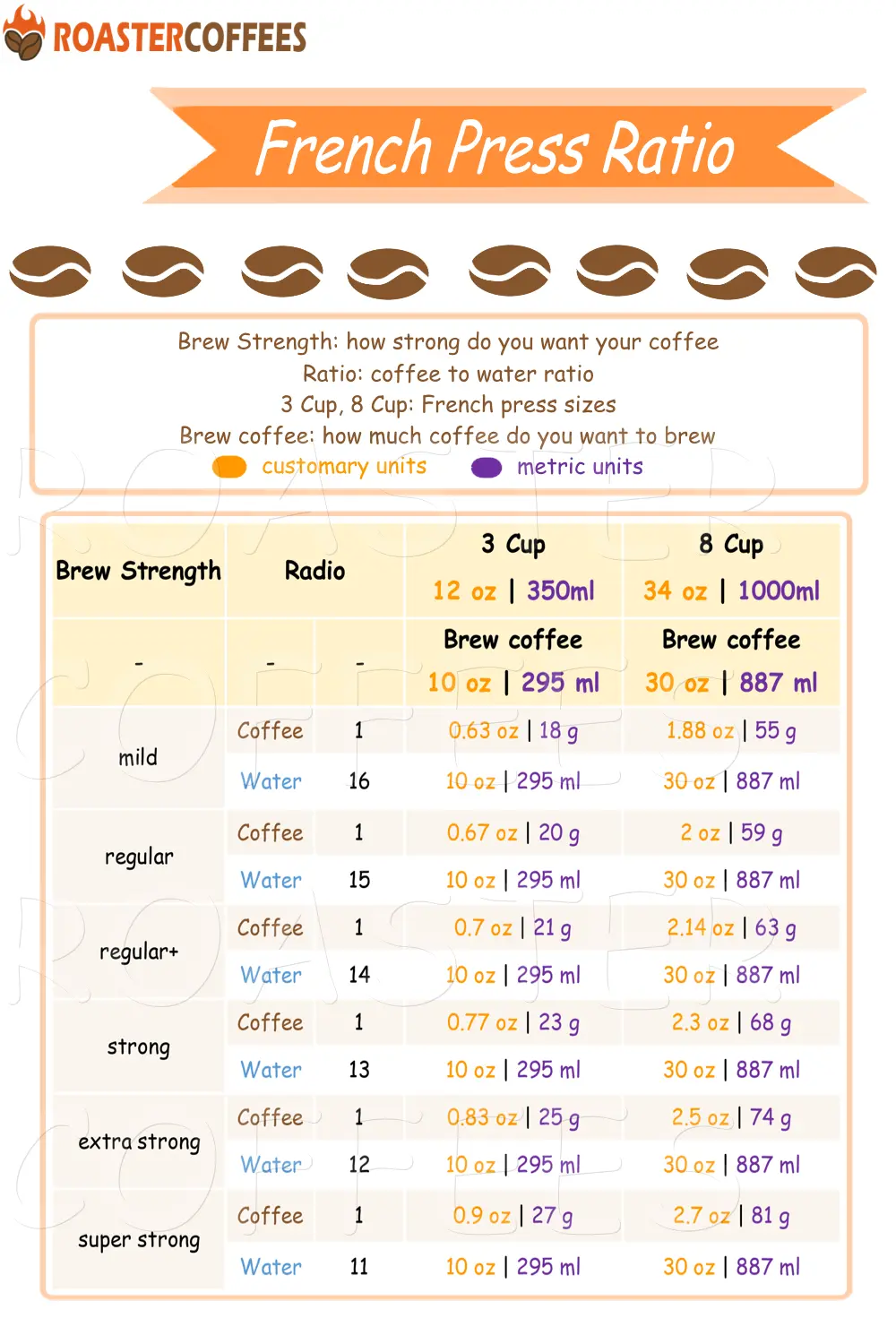
Steeping: The coarsely ground coffee is mixed with cold or room-temperature water, typically in a ratio of 1:4 to 1:8, depending on how concentrated you want the coffee to be.
Cold brew coffee’s long extraction time allows the flavors to develop slowly, creating a smoother and less acidic cup compared to regular coffee. The lack of heat during the brewing process preserves the natural sugars in the coffee, resulting in a naturally sweeter taste.
Cold Brew Coffee vs. Regular Coffee: Key Differences
Now that we understand the basic brewing processes of both cold brew and regular coffee, let’s explore the key differences between the two in more detail.
1. Brewing Time
One of the most notable differences between cold brew coffee and regular coffee is the brewing time.
Regular Coffee: Traditional coffee brewing methods typically take just a few minutes. For example, drip coffee takes around 5 minutes, French press brewing takes about 4 minutes, and espresso takes around 25 seconds.
Cold Brew Coffee: Cold brew requires a much longer brewing time—usually 12 to 24 hours. This extended extraction period allows the coffee to develop a richer, smoother flavor profile.
2. Temperature
The temperature of the water used in brewing is another significant difference between cold brew and regular coffee.
Regular Coffee: Hot water is used to extract the coffee’s oils, solubles, and flavor compounds. The water temperature plays a crucial role in the extraction process, as it helps dissolve the oils and acids that contribute to the flavor and aroma of the coffee.
Cold Brew Coffee: Cold or room-temperature water is used in cold brew coffee, which results in a much slower extraction process. The lower temperature prevents the extraction of certain bitter compounds, resulting in a smoother, less acidic cup of coffee.
3. Flavor Profile
The flavor profile is where cold brew and regular coffee diverge significantly.
Regular Coffee: Hot brewed coffee tends to have a more complex flavor profile, with a wider range of flavors, including acidity, bitterness, and sweetness. The flavor can be bright and vibrant, with notes ranging from fruity to nutty, depending on the coffee’s origin and roast level.
Because cold water extracts fewer bitter compounds, cold brew is generally less acidic and smoother than regular coffee. The extended extraction period helps bring out chocolatey, caramel, and nutty notes, which result in a more subdued and rounded flavor profile.
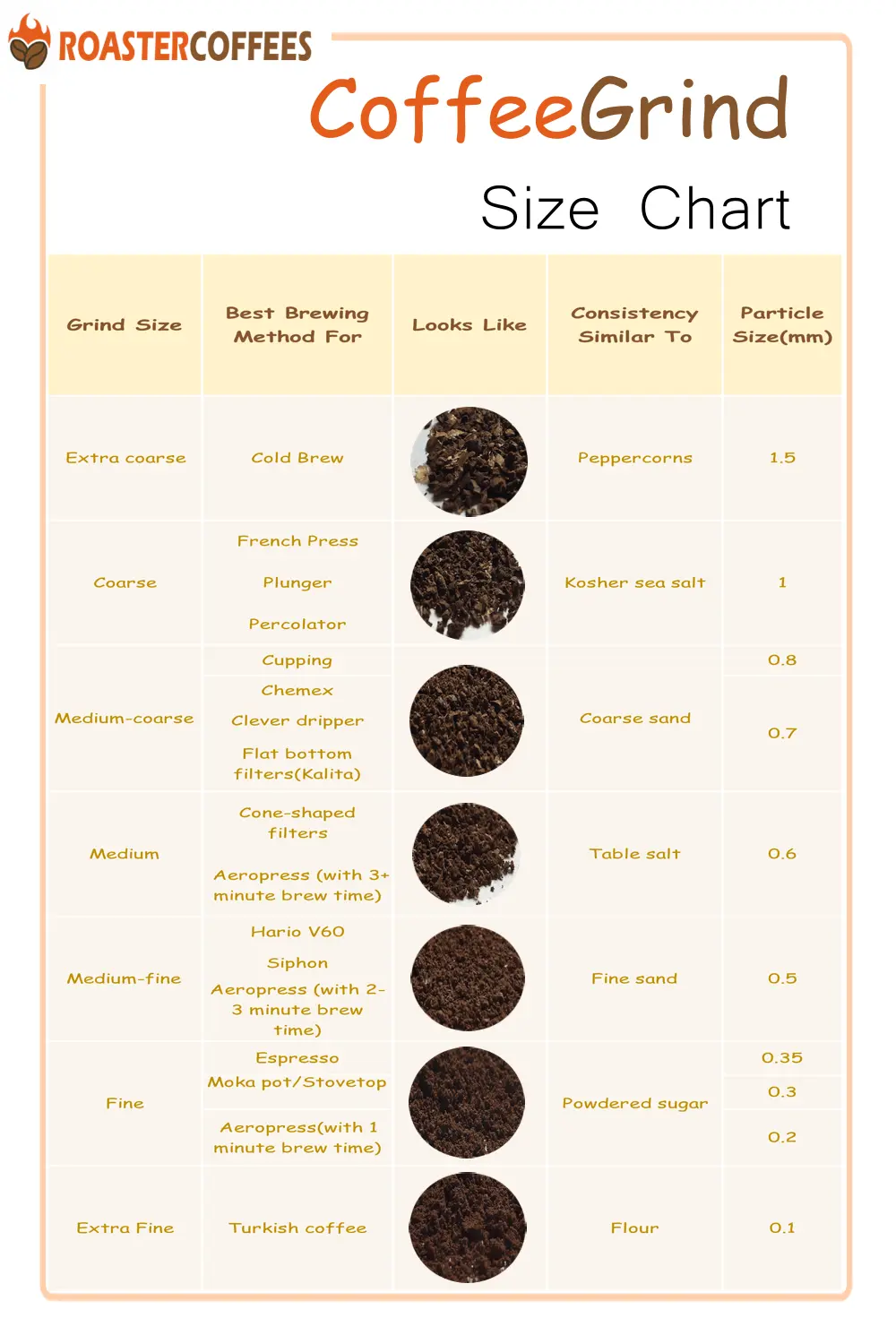
When brewing cold brew and regular coffee, the grind size plays a crucial role in determining the extraction rate, flavor, and overall quality of the coffee. The grind size needed for each brewing method is quite different due to the varying extraction times and brewing conditions.
For cold brew, a coarse grind is highly recommended. This allows for a slow extraction process over an extended period (typically 12-24 hours), ensuring that the coffee extracts smoothly without over-extracting bitter compounds. Coarse grinds have larger particles, which create less surface area for the water to extract the coffee. This slower extraction at a low temperature results in a coffee that's smooth and less acidic, making it ideal for cold brew. According to the coffee grind size chart, the ideal grind for cold brew is similar in texture to sea salt.
In contrast, regular coffee, which is typically brewed with methods like drip brewing, pour-over, or French press, requires a finer grind. For drip brewing or pour-over, a medium grind works best, resembling granulated sugar. This grind size allows hot water to pass through the coffee grounds at the right speed, promoting proper extraction. A fine grind is typically used for espresso, which requires high-pressure extraction.
The coffee grind size chart indicates that the grind size for regular coffee should be adjusted based on the brewing method to ensure proper extraction. If the grind is too fine for drip coffee, it could result in over-extraction, producing a bitter, unpleasant cup. Conversely, if the grind is too coarse for regular coffee, the extraction may be underdeveloped, leading to a weak, underwhelming brew.
By adjusting the grind size for cold brew and regular coffee, you can significantly enhance the flavor and balance of your coffee.
4. Acidity
Acidity is another area where cold brew coffee and regular coffee differ.
Regular Coffee: Hot brewed coffee often has a higher acidity due to the rapid extraction process. The high temperature can bring out bright, fruity, and tangy notes, especially in coffees with naturally high acidity, such as those from East Africa.
Cold Brew Coffee: Cold brew coffee is much lower in acidity. The cold water extraction process results in fewer acidic compounds being dissolved, which leads to a smoother, less tangy cup of coffee. This is one of the reasons why cold brew is often recommended for people who are sensitive to acidity or who experience stomach discomfort from regular coffee.
5. Caffeine Content
Caffeine content can vary between cold brew and regular coffee, depending on the coffee-to-water ratio used during brewing.
Regular Coffee: The caffeine content in regular coffee depends on the brewing method and the type of coffee used.
Cold Brew Coffee: Cold brew coffee typically has a higher caffeine concentration due to the long steeping time and higher coffee-to-water ratio. An 8-ounce serving of cold brew concentrate can contain anywhere from 150 to 250 milligrams of caffeine, depending on the ratio used. However, cold brew is usually diluted before serving, so the final caffeine content may be lower.
6. Body and Mouthfeel
Body and mouthfeel refer to the tactile sensation of the coffee in your mouth.
Regular Coffee: Hot brewed coffee tends to have a fuller body, especially in methods like French press or espresso, where oils and fine particles are suspended in the brew. The result is a richer, thicker mouthfeel.
Cold Brew Coffee: Cold brew has a smoother, lighter body compared to regular coffee. The cold water extraction process preserves the natural sugars in the coffee, which adds sweetness but not as much texture or richness as hot brewing methods. However, cold brew’s body can still be creamy, particularly if it’s served with milk or a milk alternative.
7. Serving Style
The way the coffee is served is also a notable difference.
Cold Brew Coffee: Cold brew is traditionally served cold, over ice, which makes it an especially popular choice during the warmer months. However, it can also be enjoyed hot by warming the concentrate, though this is less common.
8. Storage and Shelf Life
Cold brew coffee has an advantage when it comes to storage and shelf life.
Regular Coffee: Hot brewed coffee is best enjoyed immediately. Once brewed, it begins to lose its freshness, flavor, and aroma. It can be stored in the refrigerator for up to 24 hours, but the quality will diminish over time.
Cold Brew Coffee: Cold brew concentrate can be stored in the refrigerator for up to two weeks, making it a more convenient option for those who like to prepare their coffee in advance. This extended shelf life is one of the reasons cold brew has become increasingly popular in pre-brewed bottled coffee.
Health Benefits of Cold Brew vs. Regular Coffee
Both cold brew and regular coffee offer health benefits, particularly related to their antioxidant content and potential for improved cognitive function. However, the differences in acidity and caffeine content may affect certain individuals in different ways.
Cold Brew Coffee: Due to its lower acidity, cold brew is easier on the stomach and may be a better option for those with acid reflux or sensitive stomachs. Additionally, the higher caffeine content in cold brew can provide an extra energy boost, which may benefit people looking for an intense pick-me-up.
Regular Coffee: Regular coffee, especially when consumed in moderation, has been linked to numerous health benefits, including improved brain function, reduced risk of certain diseases (like Parkinson’s and Alzheimer’s), and enhanced metabolism. The higher acidity in regular coffee, however, can sometimes cause digestive discomfort in sensitive individuals.
Conclusion: Which Is Better—Cold Brew or Regular Coffee?
Ultimately, the choice between cold brew coffee and regular coffee comes down to personal preference. Cold brew is ideal for those who prefer a smoother, less acidic cup with a naturally sweet flavor and higher caffeine content. On the other hand, regular coffee offers a more complex flavor profile, with a wider range of acidity and body, making it a great option for those who enjoy a traditional, aromatic cup of coffee.
Both methods have their merits, and both can be enjoyed at different times depending on the season, the mood, or the desired flavor profile. Whether you prefer the refreshing, mellow nature of cold brew or the rich, bold taste of hot brewed coffee, one thing is certain: both types of coffee are beloved for their ability to energize, inspire, and bring comfort to millions of coffee drinkers worldwide.
References:
The Levels Of Roast: Unlocking the Flavor Spectrum in Coffee
Paper Filters Vs. Permanent Filters
Bonus Entry Options

1 winner will be selected.