From Seed to Cup: The Journey of Coffee
-
Days Remaining
453 -
Your Entries
0
From Seed to Cup:
The Journey of Coffee
Coffee, for many, is an essential part of daily life, whether it’s that first cup in the morning, an afternoon pick-me-up, or a comforting ritual. But what most coffee drinkers don't realize is the long and intricate journey that coffee beans take before they reach your cup. From the moment the coffee seed is planted in the soil to the final sip, coffee undergoes a series of processes that transform it into the aromatic, flavorful beverage we know and love.

This article takes you on a journey through the entire coffee production process—from the planting of the coffee seed to the moment the coffee is brewed into your favorite cup. Along the way, we will explore the essential steps, the factors that influence coffee quality, and how each stage of this journey impacts the flavor and aroma of your coffee.
The caffeine content of coffee seeds (the raw, unroasted form of coffee beans) and coffee beans (the roasted product) are essentially the same in terms of their natural caffeine levels. However, the key difference lies in how roasting affects the final caffeine concentration by weight.
Coffee seeds, when harvested, contain roughly the same amount of caffeine as roasted coffee beans. However, roasting causes the beans to lose water and expand, making them less dense. This means that, by weight, roasted coffee beans have slightly less caffeine than green coffee seeds, though the total caffeine content of both is essentially the same.
The caffeine content in a cup of coffee depends on factors like the coffee grind size, brewing time, and coffee-to-water ratio, as well as the type of bean used (Arabica vs. Robusta). For instance, Robusta beans contain nearly double the caffeine content of Arabica beans.
To precisely estimate how much caffeine is in your cup of coffee, a caffeine calculator can be incredibly helpful. By inputting the type of beans (Arabica or Robusta), the brewing method, grind size, and water-to-coffee ratio, a caffeine calculator gives you an accurate caffeine estimate, allowing you to manage your intake and tailor your brew to your preferences.
I. The Origins of Coffee: From Seed to Sapling
1.1. The Coffee Plant: Varieties and Growing Conditions
The journey begins with the planting of a coffee seed, but not just any seed will do. Coffee is grown in specific conditions, typically between the Tropics of Cancer and Capricorn. This region, known as the coffee belt, spans parts of Central and South America, Africa, and Asia, where the combination of altitude, temperature, rainfall, and soil creates the ideal environment for coffee cultivation.
There are two primary species of coffee plants that dominate the global market: Coffea arabica and Coffea canephora (commonly known as robusta). Arabica is considered the superior variety, known for its complex flavors, higher acidity, and smoother mouthfeel. Robusta, on the other hand, is heartier, more resistant to pests, and thrives at lower altitudes. It produces a stronger, more bitter flavor and is often used in espresso blends and instant coffee.
Once the seed is planted, it takes time for the coffee plant to grow into a coffee tree. The tree takes about 3-5 years to mature, at which point it begins to bear fruit—what we call coffee cherries.
1.2. The Coffee Cherry: A Complex Fruit
The coffee cherry is a vibrant, fleshy fruit that houses the coffee bean. Inside each cherry, there are typically two coffee beans (though there can be exceptions, like the rare peaberry, which contains only one bean). The cherries change color as they ripen, from green to yellow, then red, and finally to a deep, dark red when fully ripe. Timing is crucial; if cherries are harvested too early, the beans inside will be underdeveloped, resulting in a weak, sour flavor. Overripe cherries can ferment, causing undesirable flavors in the final brew.

II. Harvesting and Processing: Extracting the Bean
2.1. Harvesting Coffee Cherries
Once the cherries are ripe, they are hand-picked or machine-harvested, depending on the region and the scale of the farm. Hand-picking is more labor-intensive but allows workers to select only the ripe cherries, ensuring a higher quality yield. In large-scale operations, machines may be used to shake the trees and collect the cherries, though this method can result in unripe or damaged cherries being included in the harvest.
After the cherries are picked, they are immediately taken to processing stations where they will undergo a series of methods to extract the beans from the fruit.
2.2. Coffee Processing Methods
The coffee processing method used plays a crucial role in shaping the flavor profile of the coffee. There are three primary processing methods:
2.2.1. The Washed (Wet) Process
In the washed process, the outer skin and pulp of the coffee cherry are removed, and the beans are soaked in water for fermentation to remove any remaining fruit. This method typically results in a cleaner, more acidic cup with bright, fruity flavors. Washed coffees are often prized for their clarity and complexity.
2.2.2. The Natural (Dry) Process
In the natural process, the entire cherry is left intact and dried in the sun. Over the course of several weeks, the fruit is periodically turned to ensure even drying. The beans absorb some of the sugars from the cherry, resulting in a sweeter, fruitier cup with more body. Natural coffees are often described as full-bodied and complex with pronounced berry-like flavors.
2.2.3. The Honey (Pulped Natural) Process
After the skin of the cherry is removed, the beans are left to dry with some of the sticky pulp still attached. This method imparts a balance of sweetness and acidity to the coffee, often producing a cup with bright notes and a smooth, syrupy body.

III. Milling and Sorting: Preparing the Beans for Export
3.1. Milling the Beans
Once the coffee has been processed and dried, the beans are hulled to remove the remaining parchment or husk that surrounds them. This process is done either by a dry mill or wet mill, depending on the processing method used. After milling, the beans are sorted based on their size, weight, and quality.
3.2. Grading and Sorting
Coffee beans are carefully graded and sorted to remove any defective beans, stones, or foreign material. This is a meticulous process, often done by hand, to ensure that only the highest-quality beans make it to the next stage. Specialty coffee is graded based on a 100-point scale, with beans scoring 80 points or higher being considered specialty-grade. This grading process plays a significant role in determining the price and quality of the beans.
IV. Roasting: The Heart of Coffee Flavor
4.1. The Roasting Process
Roasting is one of the most critical stages in the coffee journey. Roasting transforms the green coffee beans into the aromatic, flavorful beans we know and love. The roasting process involves exposing the beans to high heat, which causes them to expand, change color, and undergo chemical reactions that develop their flavor.
Roasting is an intricate science that requires precise control over temperature and time. The level of roasting—whether light, medium, or dark—determines the flavor profile of the coffee. Lighter roasts preserve the coffee's original flavors, often highlighting acidity and fruitiness, while darker roasts emphasize roasty, bitter, and smoky flavors.
4.2. The Science Behind Roasting
During roasting, the coffee beans undergo several chemical reactions, the most notable being the Maillard reaction and caramelization. The Maillard reaction develops complex flavors and aromas, contributing to the sweetness and richness in the coffee. Caramelization, on the other hand, brings out the sugary, toasty notes in darker roasts.
The roasting process also plays a crucial role in decaffeination. While most coffee beans naturally contain caffeine, it is possible to remove caffeine during the roasting process through various methods, such as the Swiss water process or CO2 decaffeination.
V. Brewing: The Final Step Before Your Coffee
5.1. Brewing Methods
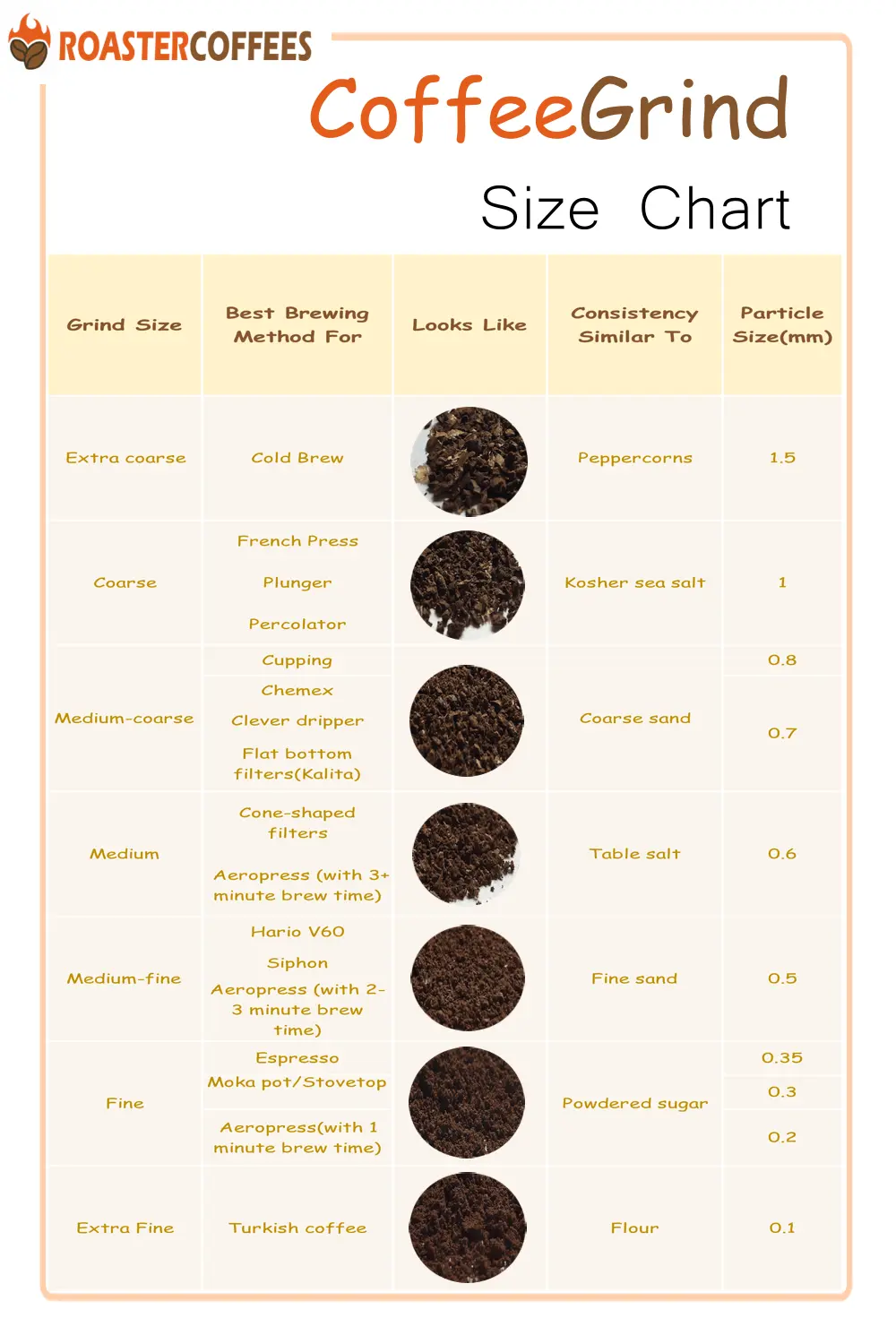
After roasting, the beans are ground to the appropriate size depending on the brewing method used. The grind size affects the extraction rate, influencing the flavor of the final cup. There are various brewing methods, each with its own characteristics:
Drip Coffee: One of the most common methods, drip coffee makers allow water to pass over ground coffee, resulting in a clean, balanced cup.
Espresso: Espresso machines use high pressure to force hot water through finely ground coffee, creating a concentrated, intense shot of coffee.
French Press: This immersion method steeps the coffee grounds in hot water, extracting a full-bodied and rich cup.
Pour-Over: Pour-over brewing involves manually pouring water over ground coffee, offering control over the brewing process and highlighting the coffee’s delicate flavors.
Each method brings out different aspects of the coffee’s flavor profile, depending on the extraction time, water temperature, and grind size.
VI. The Final Cup: Enjoying the Fruits of the Journey
After all the hard work of planting, harvesting, processing, roasting, and brewing, the moment arrives: the first sip. From the farmers who nurture the coffee plants to the roasters who craft the perfect roast, each step in the journey impacts the final cup of coffee.
Whether it’s the vibrant acidity of a light roast, the balanced smoothness of a medium roast, or the deep, roasty flavors of a dark espresso, coffee is a reflection of its journey—from seed to cup. By understanding the intricate process that leads to that final sip, coffee lovers and practitioners alike can appreciate the artistry, science, and passion that goes into creating the perfect cup.
References:
The Intricate World of Coffee Bitterness
The Art of Making Great Cold Brew Coffee
Bonus Entry Options

1 winner will be selected.