The Science Behind the Tiny Holes in Coffee Bean Bags
-
Days Remaining
455 -
Your Entries
0
Coffee packaging may appear simple at first glance, yet it represents a sophisticated blend of science and engineering designed to preserve one of the world’s most cherished commodities. One feature that often goes unnoticed by the casual consumer is the presence of tiny holes or one-way valves on coffee bean bags. These small openings play an outsized role in maintaining freshness, preventing spoilage, and safeguarding flavor integrity. For professional coffee practitioners, understanding the science behind these micro-engineered features is critical, as they intersect with bean chemistry, gas exchange, and storage dynamics.

This article explores the purpose of the tiny holes in coffee bean bags, the chemical and physical processes they support, and their implications for both home and commercial coffee storage. We will also examine how packaging design interacts with roast level, bean origin, and shelf life, providing a comprehensive perspective for enthusiasts, roasters, and baristas.
1. Introduction: Coffee Packaging as an Engineering Challenge
Coffee is a highly reactive food product, sensitive to oxygen, moisture, heat, and light. Once roasted, coffee beans continue to release carbon dioxide (CO2) due to the breakdown of carbohydrates and the development of volatile compounds.
This degassing process is essential: it prevents the buildup of off-flavors and maintains bean structure. However, it also introduces a challenge: if freshly roasted beans are sealed in an airtight bag without a mechanism to release CO2, the gas can accumulate, causing the bag to inflate or burst, and in some cases, alter the flavor chemistry.
The tiny holes, often in the form of one-way valves, are an engineered solution that allows gas release without oxygen infiltration, maintaining an optimal environment for the beans.
2. The Role of Carbon Dioxide in Fresh Coffee
After roasting, coffee beans release CO2 for several weeks. This natural degassing is both a sign of freshness and a critical factor in flavor preservation.
2.1 CO2 and Flavor Development
CO2 acts as a natural protective barrier:
It helps inhibit oxidation, slowing the degradation of aromatic compounds.
It prevents exposure to oxygen, which can cause staling and rancidity.
It interacts with water during brewing to enhance extraction and crema formation in espresso.
Without proper degassing, oxygen enters the bag, leading to chemical reactions that diminish quality. This is why tiny holes or valves are scientifically significant—they allow CO2 to escape while limiting oxygen entry, balancing freshness and safety.
3. How One-Way Valves Work
The valves used in coffee packaging are often polymer-based microvalves or mechanical membrane valves. Their operation relies on differences in internal and external pressure:
Pressure Build-up: Roasted beans release CO2, increasing internal pressure.
Valve Activation: The tiny valve opens under this pressure, letting CO2 escape.
Closure: Once the pressure normalizes, the valve closes, preventing external air and contaminants from entering.
From a chemical perspective, this ensures that the beans’ volatile compounds, such as aldehydes, esters, and phenols, remain protected from oxidative degradation.
The relationship between caffeine content and coffee bean bags revolves around storage, freshness, and bean quality. Coffee beans naturally contain caffeine, which is chemically stable, so the amount of caffeine in a bag of coffee beans is largely determined by the bean type, roast level, and weight rather than packaging alone. Arabica beans generally contain less caffeine than Robusta, and roasting slightly affects caffeine density by weight, though not significantly in terms of total caffeine content.
However, how coffee is packaged in coffee bean bags can influence the quality of the brew and, indirectly, how caffeine is extracted. Many specialty coffee bags are designed with one-way valves that allow CO₂ to escape while preventing oxygen from entering. This protects the beans from oxidation and moisture, preserving flavor and the structural integrity of the beans. Beans that degrade due to poor storage may produce a flat, stale cup with uneven extraction, potentially affecting perceived caffeine strength or bitterness.
To accurately estimate caffeine intake from coffee stored in bags, a caffeine calculator is useful. By entering information such as bean type, roast level, brewing method, and serving size, a caffeine calculator provides a precise measurement of caffeine content. This ensures that coffee drinkers understand how much caffeine they are consuming, regardless of whether the beans are freshly roasted, pre-ground, or stored in a coffee bean bag.
4. Oxidation and the Chemistry of Staling
When coffee is exposed to air, several chemical reactions occur:
Lipid oxidation: Roasted coffee contains oils that can oxidize, producing rancid flavors.
Aromatic compound degradation: Volatile compounds responsible for fruity, floral, or chocolatey notes degrade upon oxygen exposure.
Maillard reaction remnants breakdown: The brown pigments and flavor precursors continue reacting, potentially creating off-flavors.
By controlling oxygen exposure through one-way valves, coffee roasters and packaging engineers extend the flavor shelf life without needing artificial preservatives.
5. Moisture and Microbial Considerations
Moisture is another critical factor in coffee quality. Even minimal water content can accelerate:
Mold growth
Microbial activity
Premature bean staling
The one-way valve contributes indirectly to moisture control by preventing external humid air from entering the bag while allowing internal CO2 to escape. Coupled with moisture-impermeable materials (such as foil-lined laminates), valves form an integral part of a controlled storage microenvironment.
6. The Interaction Between Roast Level and Degassing
Different roast levels degas at different rates:
Light roasts: Retain more CO2 initially and release it slowly over weeks.
Medium roasts: Have moderate degassing, often peaking a few days post-roast.
Dark roasts: Release CO2 rapidly due to structural changes and increased cell permeability.
Valves are particularly important for darker roasts, which can produce enough internal pressure to deform standard packaging within days. Conversely, light roasts benefit from longer retention of CO2 to maintain freshness.
7. Particle Physics of Tiny Holes
While valves are common, some low-cost packaging uses tiny micro-perforations without a one-way mechanism. These function through diffusion principles:
Fick’s Law of Diffusion governs gas movement through small openings.
CO2 molecules move from high concentration inside the bag to lower concentration outside.
Small hole diameter reduces oxygen backflow while still allowing gradual degassing.
This approach is less precise than one-way valves but can be sufficient for short-term storage or lightly roasted beans.
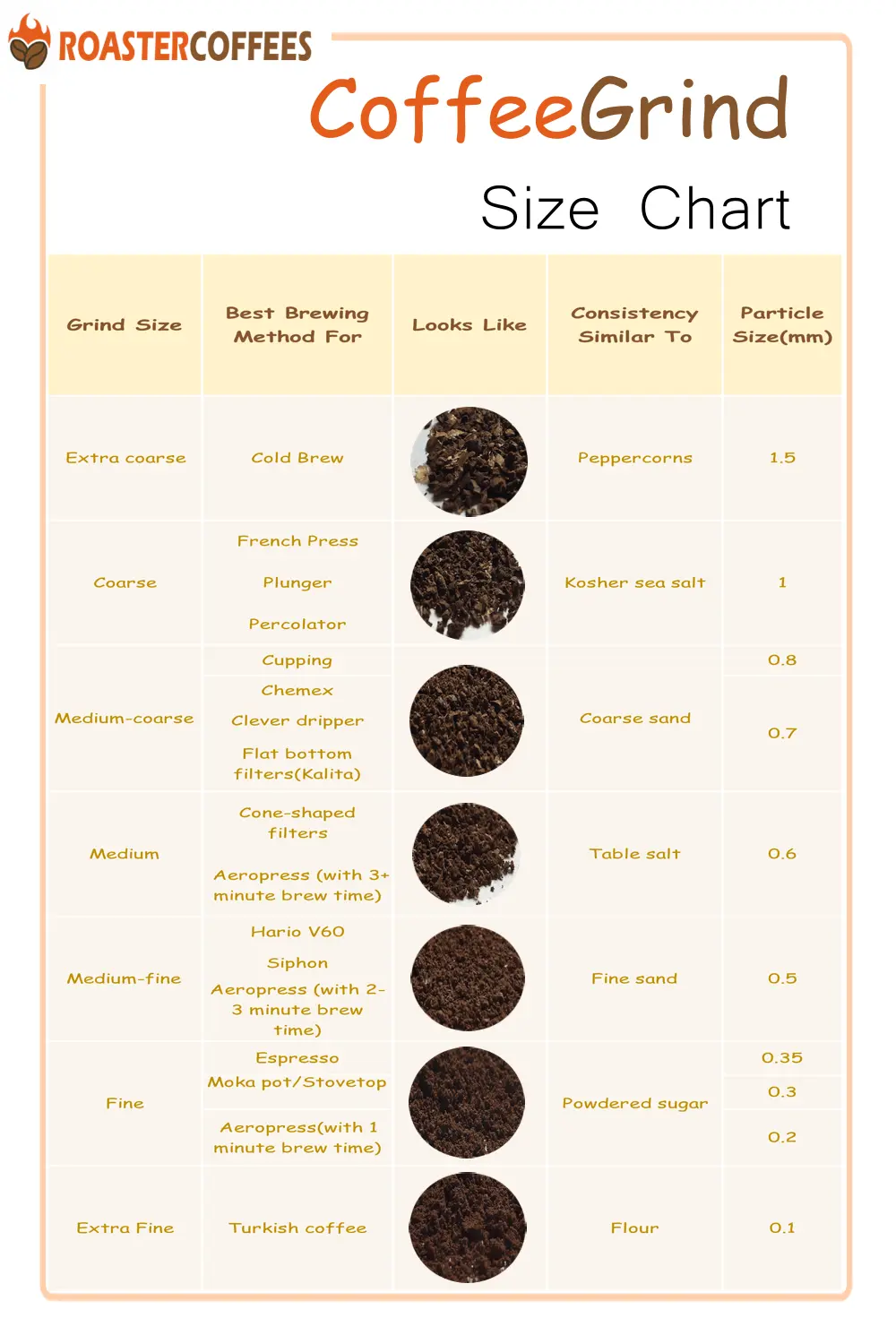
The relationship between French press coffee and coffee bean bags centers on freshness, storage, and how these factors influence extraction quality. French press brewing is a full-immersion method that highlights body, oils, and subtle flavor nuances. Because of this, the quality and condition of the beans stored in coffee bean bags play a critical role in the final cup.
High-quality coffee bean bags—especially those with one-way degassing valves—help preserve freshness by allowing carbon dioxide to escape while preventing oxygen from entering. This is important because freshly roasted coffee releases CO₂, which can affect extraction. Properly stored beans maintain their structure and flavor compounds, ensuring that French press brewing delivers a rich, balanced cup rather than a flat or stale one.
The french press coffee ratio works closely with bean freshness. A standard ratio of 1:15 (coffee to water) assumes that the beans are fresh and capable of full extraction. If beans from a coffee bag are stale due to poor storage, even an ideal french press coffee ratio may produce a dull or weak brew. In such cases, users might increase the dose slightly, but this is only a partial fix.
Grinding beans just before brewing is also essential. Even if stored well in coffee bean bags, pre-ground coffee loses freshness quickly. Ultimately, properly sealed coffee bean bags preserve bean quality, while the correct french press coffee ratio ensures those preserved qualities are fully expressed in the final brew.
8. Packaging Material Science
The tiny holes alone are not enough; they must be integrated with appropriate barrier materials:
Multi-layer laminates: Foil, polyethylene, and polyester layers prevent oxygen, light, and moisture ingress.
Metalized films: Reduce UV penetration and maintain aroma stability.
Polyethylene liners: Provide flexibility and seal integrity.
The combination of barrier material and controlled degassing holes creates a microclimate that prolongs coffee quality from roaster to consumer.
9. Shelf Life and Flavor Retention
Understanding degassing dynamics informs best practices for storage:
Ideal storage temperature: 18–22°C (64–72°F)
Avoid direct sunlight
Store sealed bags upright to minimize valve stress
A properly designed bag with tiny holes or a valve can maintain optimal freshness for weeks to months, depending on roast level and packaging quality. Coffee professionals often recommend using beans within 2–4 weeks post-roast to maximize aromatic potential.
10. Implications for Home and Commercial Coffee
10.1 Home Consumers
For home enthusiasts:
Buy beans in valve-equipped bags to prevent staling.
Store unopened bags in a cool, dark place.
Use a airtight container once the bag is opened, as the valve is most effective when unused.
10.2 Specialty Coffee Roasters
For roasters and distributors:
Bag design influences shipping, shelf presentation, and quality control.
Valve placement and size can be adjusted based on roast level and bean density.
Packaging can affect branding and perceived freshness, which is critical in premium markets.
11. Advanced Considerations: Degassing and Nitrogen Flushing
Some roasters pair valves with nitrogen flushing:
Oxygen is replaced with nitrogen before sealing.
The valve allows excess CO2 to escape while maintaining an oxygen-free environment.
This dual approach maximizes shelf life and preserves delicate flavor compounds, particularly in high-end specialty coffees.
12. Common Misconceptions
'The holes let air in.' – Modern one-way valves prevent this; they only allow gas to exit.
'Coffee doesn’t degas after roasting.' – All roasted coffee continues to release CO2 for several weeks.
'Storage bags don’t matter.' – Packaging design dramatically affects flavor retention and freshness.
Understanding the science behind tiny holes corrects these misconceptions.

13. Sensory Impact of Proper Degassing
Properly degassed coffee exhibits:
Balanced aroma
Enhanced body and mouthfeel
Clear expression of origin characteristics
Reduced risk of stale or metallic flavors
This demonstrates that packaging is not just logistical—it directly influences sensory outcomes.
14. The Future of Coffee Packaging
Advances in materials and micro-engineering continue to refine coffee bag technology:
Improved one-way valve materials for lower retention
Smart sensors that indicate freshness or oxidation
Biodegradable films and compostable valves for sustainability
The next generation of coffee packaging will integrate science, convenience, and environmental responsibility.
15. Conclusion: Small Details, Big Impact
The tiny holes in coffee bags, often overlooked, are a masterful application of chemistry, physics, and engineering. They allow coffee to degas while protecting it from oxygen and moisture, preserving delicate flavors and aromas.
For professional coffee practitioners, understanding this mechanism is crucial for evaluating quality, optimizing storage, and educating consumers. For the home barista, recognizing the significance of valve-equipped packaging helps ensure each cup delivers the intended flavor experience.
Ultimately, these small design features demonstrate a profound principle: in coffee, even microscopic details can have a macroscopic impact on taste, aroma, and overall quality.
References:
The Processing Differences Between Commercial Coffee and Specialty Coffee
Sustainable Development Strategies for the Coffee Industry
Bonus Entry Options

1 winner will be selected.